


Kumuha ng Quote
Pasadya Pambalot na Plastik para sa Pagkain Mga Tagagawa
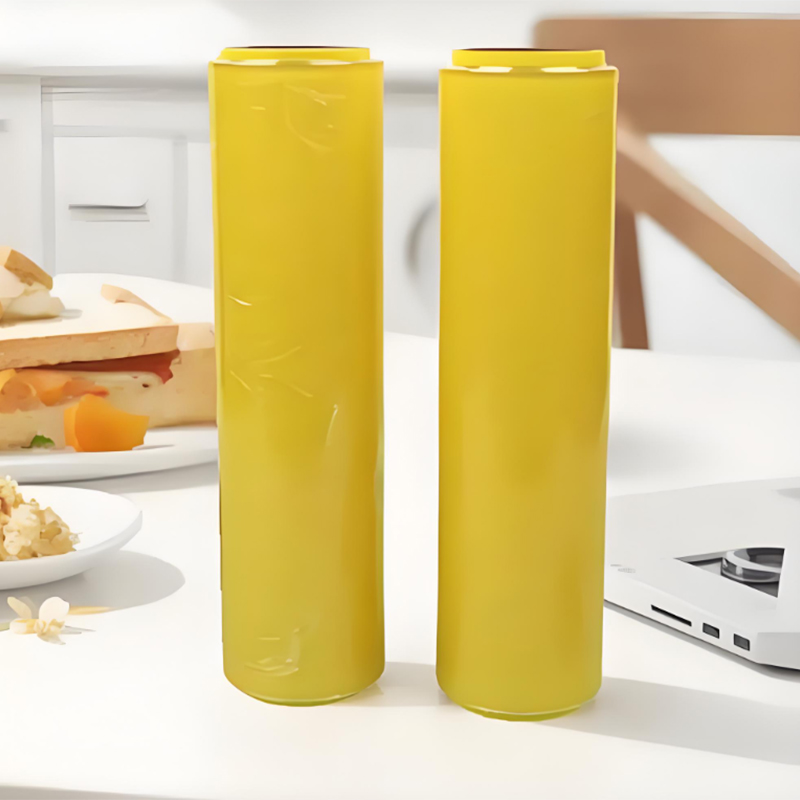
Ang PVC cling film ay isang pangkaraniwang materyal sa packaging ng pagkain, higit sa lahat ay gawa sa polyvinyl chloride (PVC). Dahil sa proseso ng produksyon nito, ang isang malaking halaga ng mga plasticizer (plasticizer) ay idinagdag sa PVC cling film sa panahon ng proseso ng produksyon. Kung ito ay pinainit o napunta sa mga mamantika na pagkain habang ginagamit, ang mga plasticizer ay maaaring mamuo at makapasok sa pagkain, na magdulot ng potensyal na panganib sa kalusugan ng tao. Samakatuwid, ang PVC cling film ay hindi angkop para sa mataas na temperatura na pagpainit o pakikipag-ugnay sa mga mamantika na pagkain.
Plastic Wrap
Tungkol sa Amin

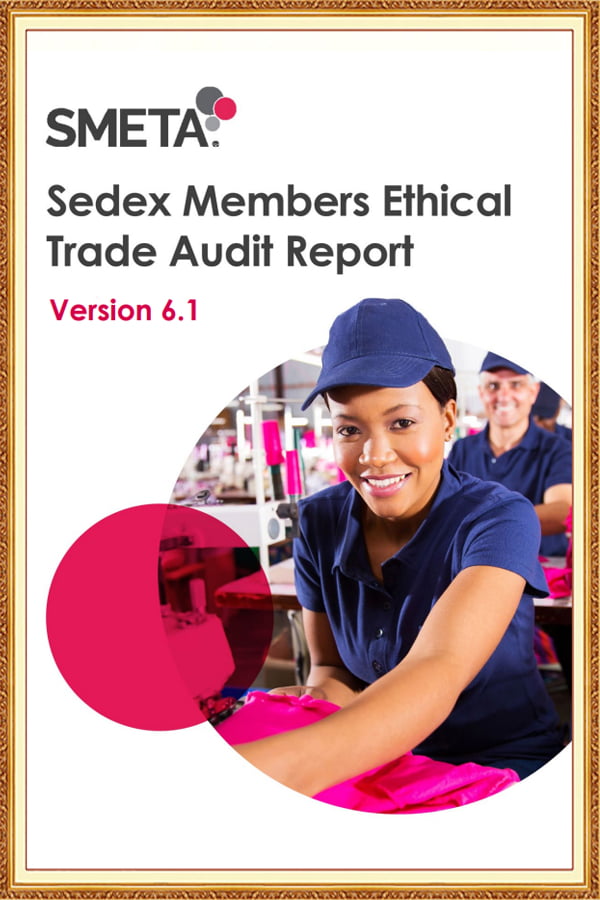
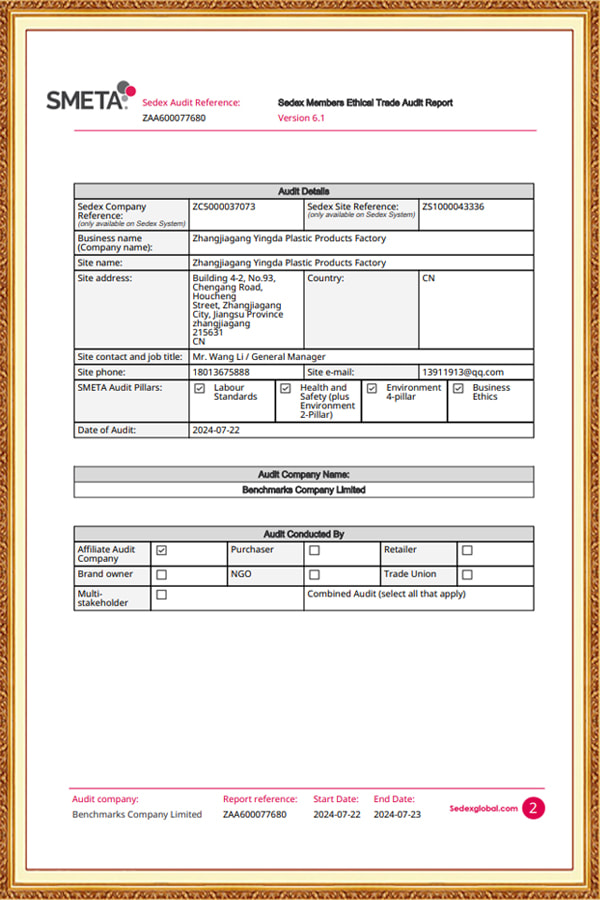
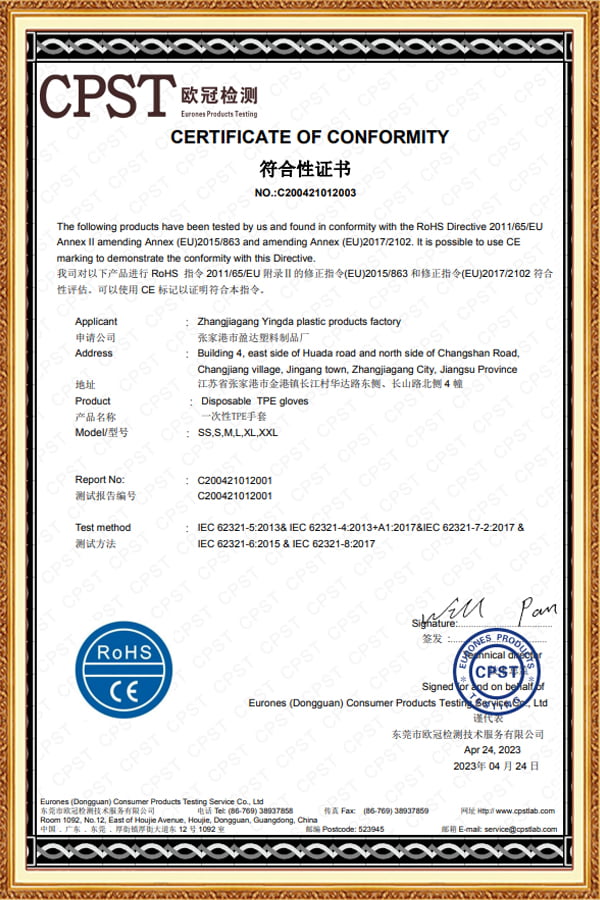
Zhangjiagang Yingda Plastic Products Factory
Kaugnay na Kumpanya: Zhangjiagang Jingyi New Materials Co., Ltd
Kaugnay na Kumpanya: Zhangjiagang Meilida Medical Products Co., Ltd
Kaugnay na Kumpanya: Zhangjiagang Meilida Medical Products Co., Ltd
Ang Zhangjiagang Yingda Plastic Products Factory ay Pasadya ng Tsina
PVC Cling Film Mga Tagagawa at
Pambalot na Plastik para sa Pagkain Tagaluwas, Itinatag noong Enero 8, 2007, matatagpuan ito sa Zhangjiagang Free Trade Zone sa gitna at kanlurang bahagi ng Lungsod ng Zhangjiagang, isang modernong sibilisadong lungsod sa Tsina. Katabi nito ang Shanghai sa silangan, Nanjing sa kanluran, Suzhou at Wuxi Changzhou area sa timog, natural na malalim na pantalan at bonded area sa kanluran, ang magandang Ilog Yangtze sa hilaga, at ang highway sa tabi ng ilog ay pinagsalikop-salikop na may maginhawang transportasyon sa tubig at lupa. Nag-aalok kami ng
Isahang Gamit na Plastik na Pambalot para sa Pagkain at Catering na ibinebenta.
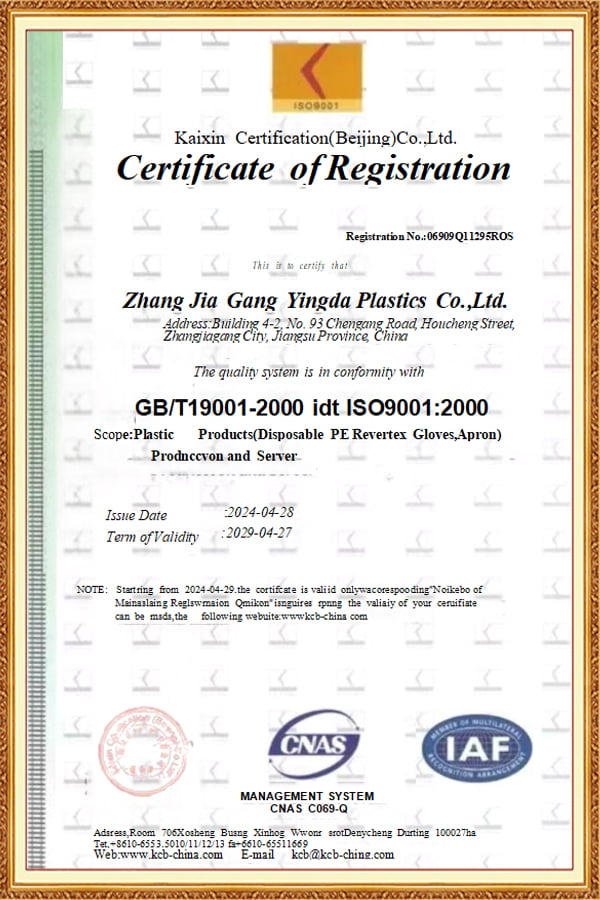
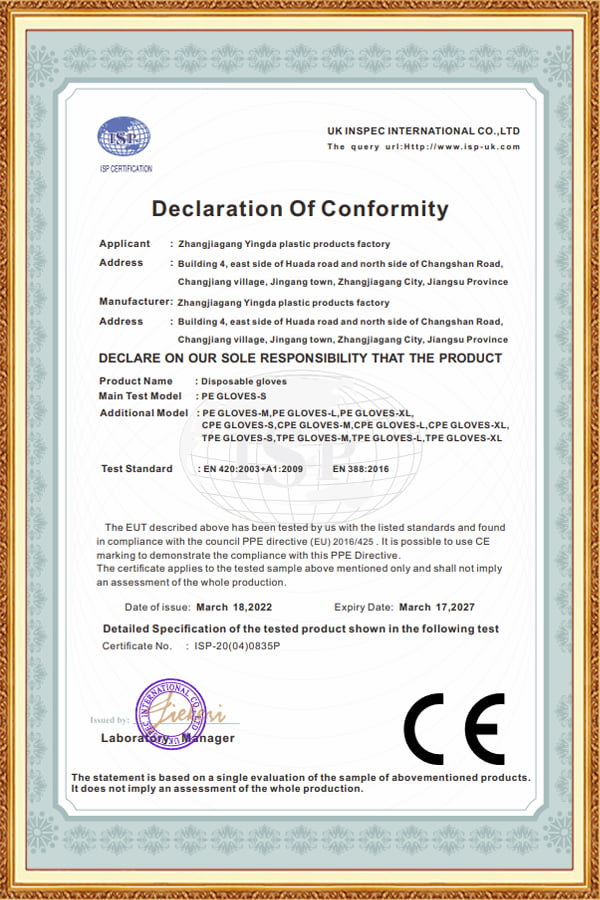
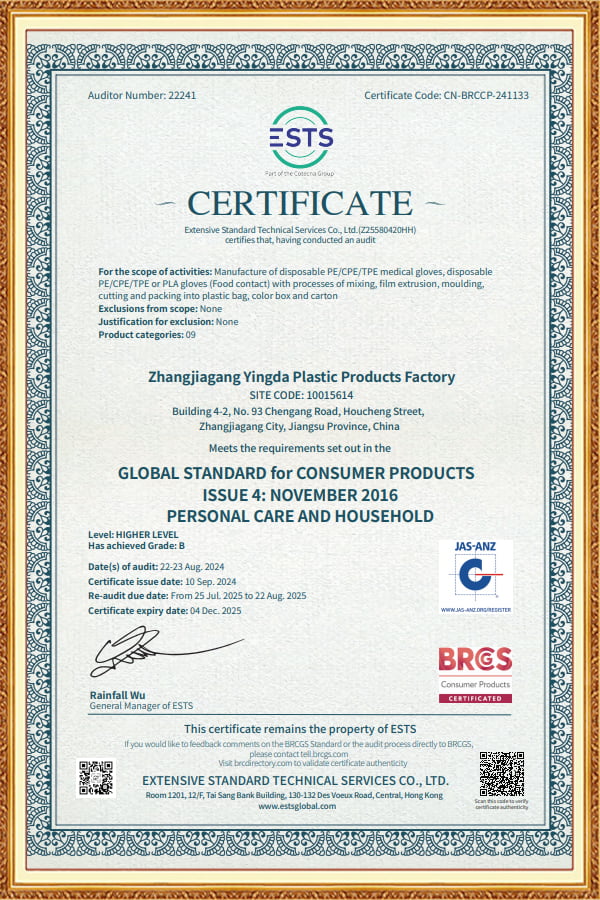
Sertipiko ng Karangalan
Balita
-
Ang mga disposable gloves ay kadalasang inihahambing sa presyo sa bawat kahon, ngunit ang tunay na halaga ng isang guwantes ay sinusukat sa buong haba ng isang gawain. Ang TPE at PE gloves ay dalawa sa pinakakaraniwang thermoplastic glove na pamilya na ginagamit sa serbisyo ng pagkain, paglili...
MAGBASA PA -
Pag-unawa sa CPE Gloves: The Foundation of Disposable Hand Protection Sa mundo ngayon na may kamalayan sa kalinisan, ang pangangailangan para sa maaasahang mga solusyon sa proteksyon sa kamay ay hindi kailanman naging mas mataas. Nagtatrabaho ka man sa food service, beauty and wellness, ...
MAGBASA PA -
Ang Ebolusyon ng Proteksyon sa Kamay: Mula Latex hanggang TPE Sa loob ng mga dekada, ang mga industriya mula sa pangangalagang pangkalusugan hanggang sa serbisyo ng pagkain ay umasa sa latex at nitrile gloves bilang pamantayan para sa proteksyon ng kamay. Gayunpaman, isang makabuluhang p...
MAGBASA PA
Feedback sa Mensahe
Plastic Wrap Kaalaman sa industriya
How to reduce the residual vinyl chloride monomer (VCM) in the production of PVC cling film for food packaging?
In the field of food packaging, PVC cling film is widely used, but the problem of residual vinyl chloride monomer (VCM) in its production process has always attracted much attention. VCM has certain toxicity. If the residual amount exceeds the standard, it may cause harm to human health. Therefore, in the production of PVC cling film, it is very important to effectively reduce the residual VCM.
Controlling the source of the production process is the key to reducing VCM residue. In the polymerization reaction stage, the polymerization process and catalyst should be reasonably selected. For example, when using the suspension polymerization method, it is necessary to strictly control the polymerization temperature, pressure and time and other parameters to ensure that the polymerization reaction is fully carried out so that more vinyl chloride monomer is converted into polyvinyl chloride, thereby reducing the residual amount. At the same time, the selection of efficient catalysts can increase the reaction rate and conversion rate and reduce the monomer residue.
Optimizing the monomer removal process after the polymerization reaction should not be ignored. At present, the commonly used monomer removal methods include steam stripping and vacuum degassing. Taking stripping as an example, by introducing inert gas (such as nitrogen) into the polymer system, VCM is volatilized from the polymer and then recovered by condensation. During the stripping process, the stripping temperature, gas flow rate and residence time should be controlled to improve the efficiency of stripping. Vacuum degassing is to reduce the boiling point of VCM under negative pressure conditions, making it easier to escape from the polymer. It should be noted that different stripping processes are suitable for different production scales and product requirements. The appropriate process should be selected according to the actual situation, and the process parameters should be optimized.
The selection of raw materials also affects the amount of VCM residue. Zhangjiagang Yingda Plastic Products Factory uses new raw materials that meet food grade standards, which is worth learning from. The VCM content in high-quality raw materials is low and has few impurities, which helps to reduce residues from the source. When purchasing raw materials, suppliers should be strictly screened and required to provide quality inspection reports for raw materials to ensure that the raw materials meet relevant standards.
The quality control system in the production process is indispensable. The company strictly follows the procedures and requirements of the quality control management system, and a complete quality control process should also be established in the production of PVC cling film. From the entry of raw materials to the exit of finished products, each link must be strictly tested. For example, after the polymerization reaction, the VCM residue in the polymer is tested. If the residue is found to exceed the standard, the production process is adjusted in time; in the finished product inspection stage, the VCM residue is tested again to ensure that the product meets the national standards.
The cleaning and maintenance of production equipment can also indirectly affect VCM residue. Clean the production equipment regularly to prevent the VCM residue in the equipment from polluting subsequent production. At the same time, maintain the operating status of the equipment to ensure the stability of the production process and avoid fluctuations in the production process due to equipment failure, thereby affecting the VCM residue.
In addition, advanced detection technology can be introduced to monitor the VCM residue in the production process in real time. Through online detection equipment, timely understand the changes in VCM residue, so as to quickly adjust the production process and ensure product quality.
Zhangjiagang Yingda Plastic Products Factory has strong product customization capabilities and has built a multi-unit support system for cost control, quality management and efficiency optimization. Its full-process production line ensures the accuracy of each link from mold development to assembly. In the production of PVC cling film, we can learn from its professional, standardized and refined production management model, implement various measures to reduce VCM residues in each production link, strengthen the coordinated management of each link, and improve production efficiency and product quality.
Maging Unang Makaalam!
Para sa eksklusibong mga deal at pinakabagong alok, mag-sign up sa pamamagitan ng paglalagay ng iyong email address sa ibaba.
Ang impormasyong ibinigay sa website na ito ay inilaan para gamitin lamang sa mga bansa at hurisdiksyon sa labas ng People's Republic of China.

Dalubhasa sa industriya ng mga produktong plastik sa loob ng 18 taon.
- Mabilis na Mga Link
- Tahanan
- Produkto
- Ang Aming Pabrika
- Tungkol sa Amin
- Mga Serbisyo
- Balita
- Makipag-ugnayan sa Amin
- Mga Produkto
- Plastic Wrap
- TPE Gloves (Matte Texture)
- TPE Gloves (Dot Pattern)
- TPE Gloves (Diamond Pattern)
- Mga guwantes na LDPE
- Mga Gloves ng HDPE
- CPE Gloves
- PE Apron
- Makipag-ugnayan sa Amin
-
-
Building 4, No. 93 Chengang Road, Houcheng Street, Zhangjiagang City, Jiangsu Province, China

-
[email protected]

-
+86 18013675888 / +86 13901562953

-
+86 0512-58545086

-
+86 18013675888

-

-
Karapatang-ari ©
Zhangjiagang Meilida Medical Products Co., Ltd.
Pasadya
Isahang Gamit na Plastik na Pambalot para sa Pagkain at Catering Tagaluwas

